
Paver Patios
The outdoor room that holds up to Utah winters.
Typical pricing: $15–$40/sq ft installed
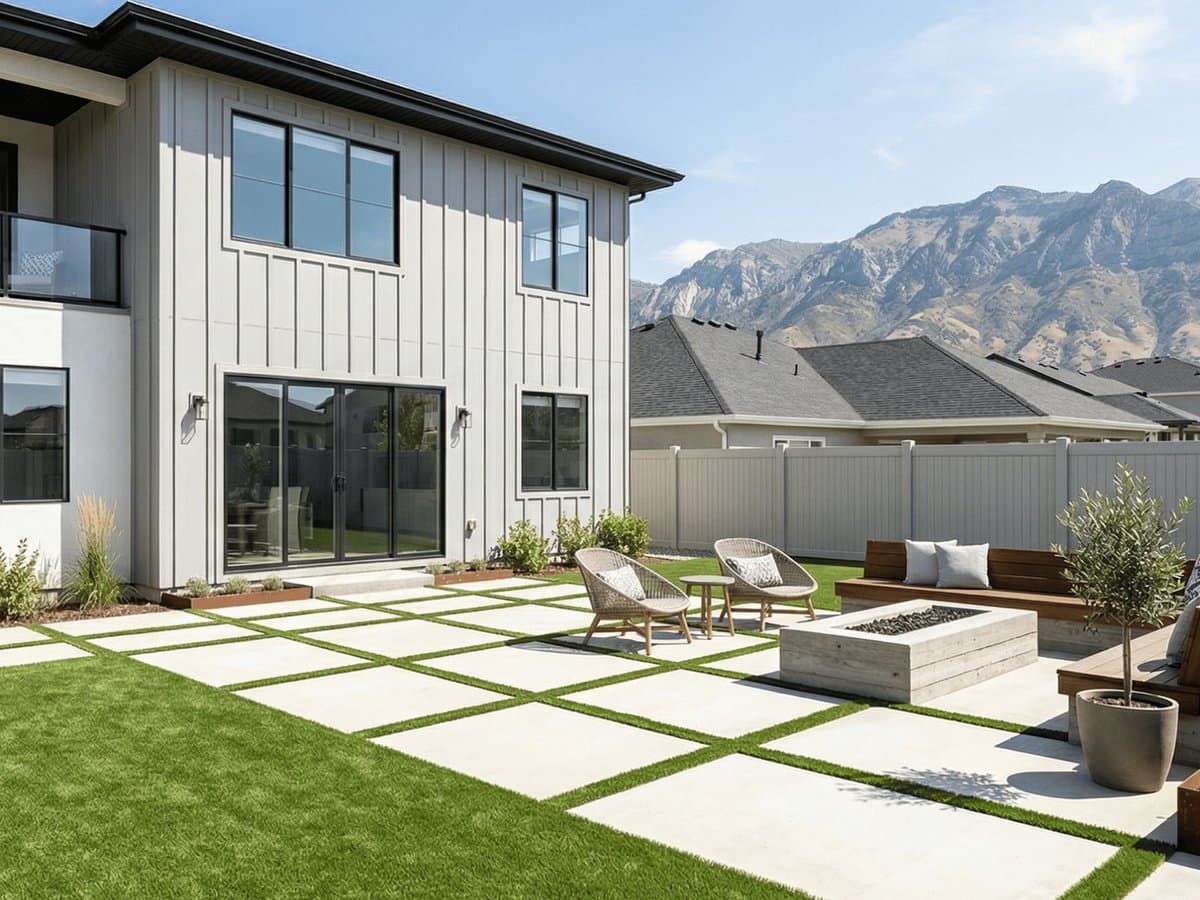
Overview
A paver patio is the single highest-ROI hardscape upgrade you can make on the Wasatch Front. Unlike poured concrete, pavers flex with freeze-thaw cycles, can be individually replaced if one cracks, and deliver a premium look that lifts the entire property. Concrete pavers, travertine, flagstone, and tumbled natural stone each bring their own character — your installer will match the right material to your home's style and your budget.
Proper installation in Utah means more than just laying stones. Our clay soil heaves significantly with winter moisture, which is why quality installers build a 6-8" compacted aggregate base before the sand setting bed and pavers go on top. Edge restraints and polymeric sand joints keep the pattern tight for decades. Shortcuts show up within a winter or two as shifting, rocking, or weed-infested joints.
Yardd connects you with Wasatch Front paver specialists who know which products handle our winters, understand proper base depth for clay, and give you real pricing based on your site.
Built for the Wasatch Front
- Freeze-thaw cycles break concrete slabs; pavers flex and survive
- Utah clay heaves seasonally — a 6-8" compacted aggregate base is non-negotiable here
- Tiered water billing means more homeowners are shrinking lawns in favor of outdoor living spaces
- Intense UV calls for fade-resistant materials (most concrete pavers are naturally UV-stable)
Project types
Key decisions
- ·Material choice: concrete pavers ($15–$25/sqft) vs travertine ($22–$35) vs flagstone ($25–$40+)
- ·Base depth: 6-8" of compacted class B road-base is the Wasatch Front standard
- ·Drainage: patio should slope ~1-2% away from the house
- ·Pattern: herringbone and running bond are most popular; basketweave is decorative but trickier
- ·Edge restraints: plastic vs steel vs concrete curb — steel lasts longest
How it works
- 1
Design & layout
Installer walks the site, discusses material choices, and mocks up the pattern and dimensions.
- 2
Excavation
Existing material is removed down 8-10" to make room for base, sand, and pavers.
- 3
Base preparation
Aggregate is placed in 2-3" lifts, each compacted with a plate compactor. This is where long-term stability is made or lost.
- 4
Setting bed + pavers
1" of screeded sand, pavers laid to the pattern, cut at edges, and edge restraints installed.
- 5
Jointing & compaction
Polymeric sand is swept into joints and activated; a final compaction locks everything in.
Frequently asked questions
How much does a paver patio cost in Utah?+
Pavers or stamped concrete — which is better here?+
How long does a paver patio last?+
What's the best time of year to install pavers?+
Do pavers need sealing?+
Can pavers be installed over existing concrete?+
How do I handle weeds in paver joints?+
Ready to start your paver patios project?
Get free, no-obligation quotes from vetted installers on the Wasatch Front — usually within 24 hours.