
Concrete Work
Structural, durable, and affordable — when done right.
Typical pricing: $8–$20/sq ft installed
Overview
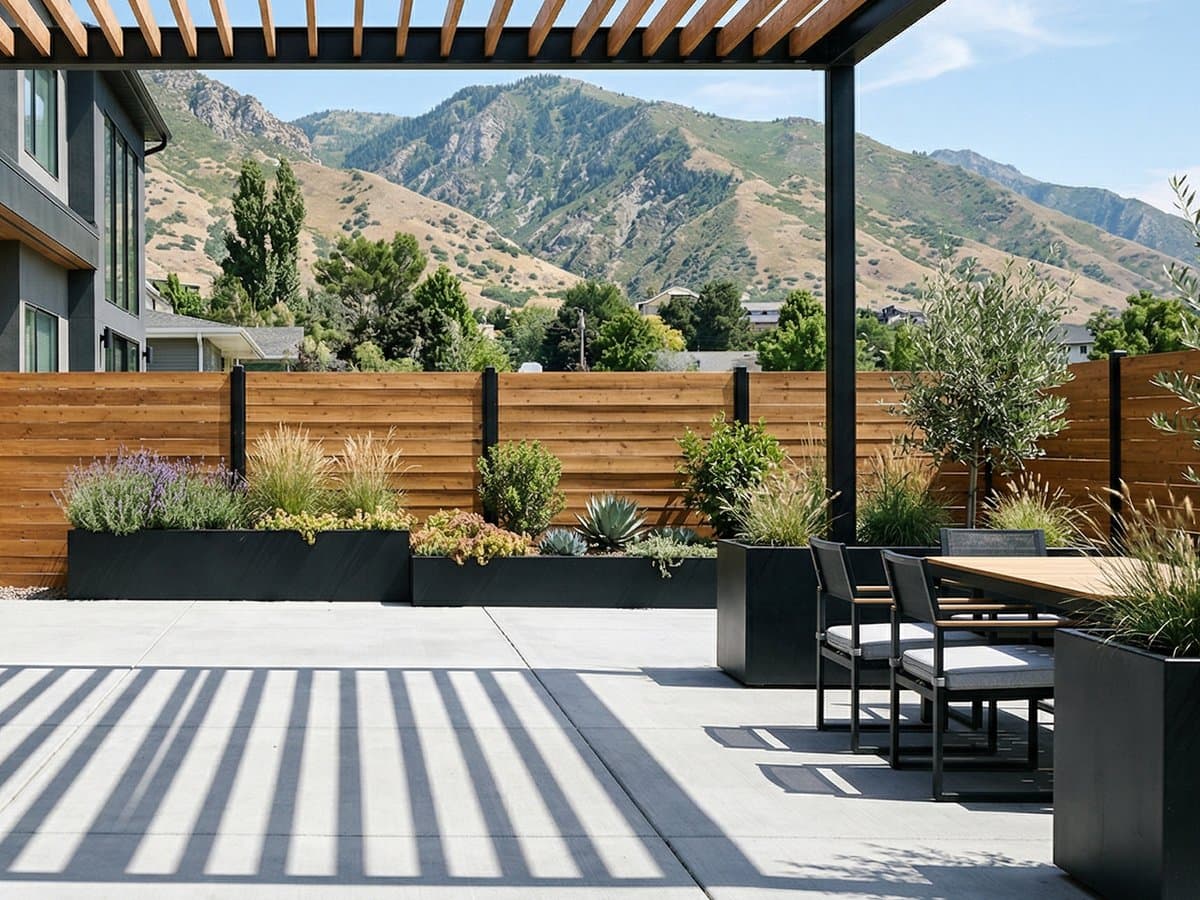
Concrete is still the workhorse for driveways, garage aprons, sidewalks, and many patios on the Wasatch Front. It's economical per square foot, handles heavy loads (cars, RVs, equipment), and with proper finishing it can look great — stamped and colored concrete mimics stone or brick convincingly, and exposed aggregate has a timeless texture. The honest tradeoff versus pavers: concrete eventually cracks here. Utah clay soil plus freeze-thaw cycles mean even well-placed control joints don't fully prevent hairline cracking over 10-20 years.
That said, quality matters enormously. Proper base depth (4-6" compacted aggregate), correct concrete mix (4,000+ PSI for driveways), adequate rebar or fiber reinforcement, and well-placed control joints extend life significantly. Sealing every 3-5 years prevents salt damage — especially important if you live somewhere city crews use road salt heavily.
Yardd connects you with installers who pour quality mixes, finish cleanly, and stand behind their work.
Built for the Wasatch Front
- Road salt from plow trucks is hard on concrete — driveways should be sealed every 3-5 years
- Clay soil heaves seasonally — proper base and control joints are critical
- Freeze-thaw over 30-40 cycles per winter stresses concrete; air-entrained mixes are standard here
- Spring and fall are best for pours — summer heat and winter cold both create finish challenges
Project types
Key decisions
- ·Mix strength: 4,000 PSI minimum for driveways, 3,500 for patios
- ·Base: 4-6" compacted aggregate minimum; more for driveways
- ·Reinforcement: #4 rebar on 18" grid or fiber reinforcement; both help in Utah
- ·Control joints: cut every 8-12 ft to manage cracking (concrete WILL crack — joints control where)
- ·Finish: broom (driveways), trowel, stamped, exposed aggregate — each has maintenance tradeoffs
- ·Sealing: every 3-5 years for longevity against salt and UV
How it works
- 1
Site prep & forming
Excavation, base prep, and wood or metal forms set to finish grade and slope.
- 2
Reinforcement
Rebar grid tied on chairs, or fiber mesh mixed into concrete. Control joint layout planned.
- 3
Pour & finish
Concrete placed, screeded, floated, and finished to the chosen texture. Stamping done when concrete is at the right cure state.
- 4
Joint cutting & curing
Control joints cut within 24 hours; concrete kept moist for 5-7 days to reach strength.
- 5
Sealing (optional)
A quality penetrating or film-forming sealer is applied 28 days after the pour.
Frequently asked questions
How much does concrete cost on the Wasatch Front?+
Stamped concrete or pavers?+
How long does concrete last?+
Should I seal my concrete?+
When is the best time to pour concrete in Utah?+
Can concrete be poured over an existing slab?+
Ready to start your concrete work project?
Get free, no-obligation quotes from vetted installers on the Wasatch Front — usually within 24 hours.